
ASSESSMENTS
Assessments are systematic evaluations conducted to understand an individual’s needs, capabilities, and challenges. These evaluations can be physical, psychological, or functional in nature and are used to develop personalized plans for treatment, rehabilitation, or support. Assessments are crucial in identifying the most effective interventions and ensuring that individuals receive the appropriate care and resources.
In assessments, we focus on gathering comprehensive information through various methods, including interviews, tests, observations, and questionnaires. This information helps us create a detailed profile of your condition and needs, enabling us to provide targeted and effective solutions.

ATTENDANT CARE ASSESSMENT (FORM 1)
Attendant care assessment evaluates individual needs for personal care support. We ensure comprehensive and tailored care plans. Enhance daily living with our dedicated assessment services.

CHRONIC PAIN ASSESSMENT
Chronic pain assessment identifies the root causes of persistent pain. We develop personalized treatment plans to manage and alleviate discomfort. Experience improved quality of life through our expert evaluation and care.

MOBILITY ASSESSMENT
Mobility assessment evaluates movement capabilities and identifies barriers. We create tailored plans to improve independence and mobility. Enhance your quality of life with our expert guidance and support.

ERGONOMIC ASSESSMENT
Ergonomic assessment optimizes workplace setups to enhance comfort and productivity. We identify risk factors and provide tailored solutions. Improve your work environment and prevent injuries with our expert guidance.

DIETICIAN ASSESSMENT
Dietician assessment offers personalized nutrition plans to support health and wellness goals. We analyze dietary habits and provide expert guidance. Achieve optimal nutrition and well-being with our tailored advice.

FUNCTIONAL CAPACITY ASSESSMENT
Functional capacity evaluation assesses physical capabilities for daily activities and work tasks. We provide detailed analysis and personalized recommendations. Enhance your functional performance with our comprehensive assessment.

OCCUPATIONAL THERAPY FUNCTIONAL ABILITIES ASSESSMENT
The Occupational Therapy Functional Abilities Assessment measures how well someone performs everyday tasks—like self-care, work and home activities—to pinpoint functional barriers and guide personalized intervention plans.
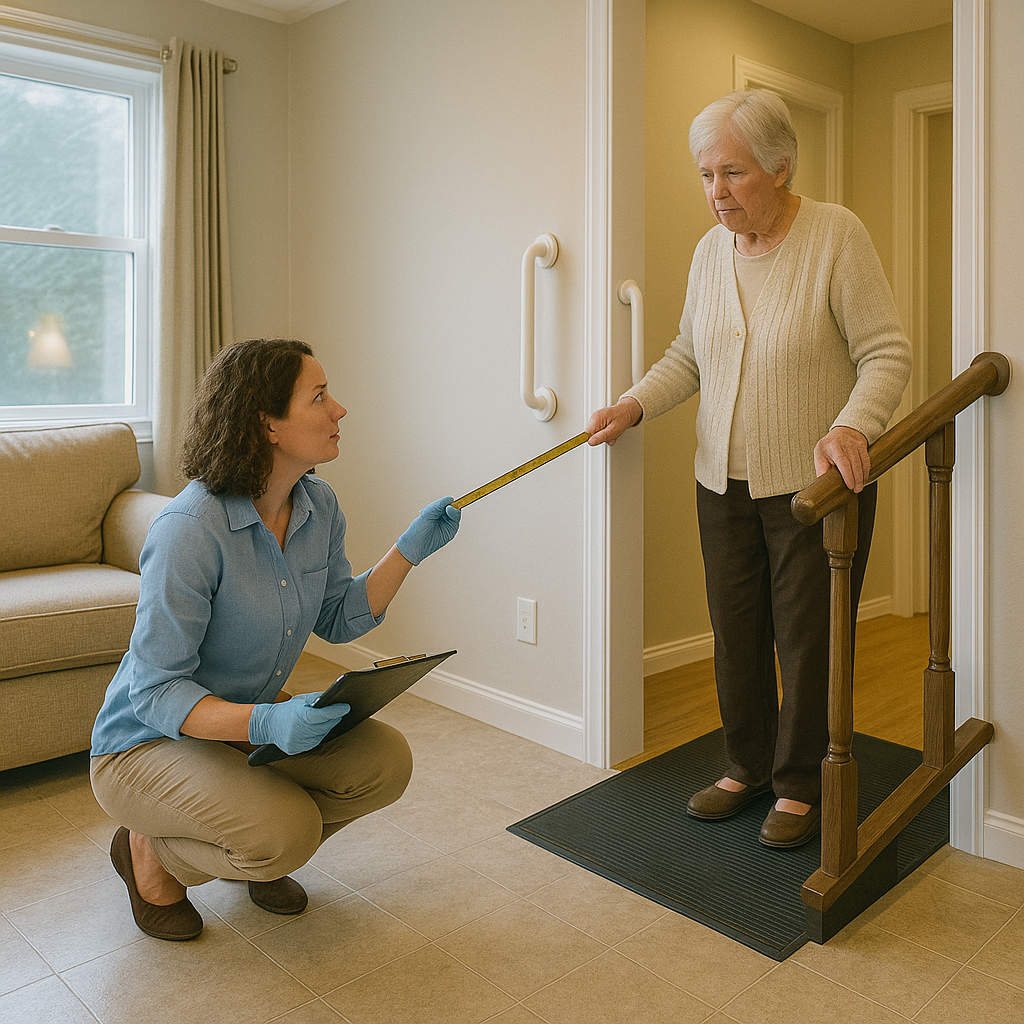
HOME ACCESSIBILITY AND SAFETY ASSESSMENT
The Home Accessibility and Safety Assessment evaluates a person’s living environment—examining factors like lighting, flooring, pathways and bathroom fixtures—to identify fall risks and barriers, then offers customized recommendations for home modifications that enhance safety and independence.

HOSPITAL DISCHARGE ASSESSMENT
The Hospital Discharge Assessment systematically evaluates a patient’s physical, cognitive and social needs as they prepare to leave the hospital—reviewing mobility, self-care skills, home supports and equipment requirements—to ensure a safe, coordinated transition and reduce readmission risk.

MUSCULOSKELETAL ASSESSMENT
An evaluation of muscle strength, joint range of motion, posture and movement patterns to identify impairments or injury risks and guide appropriate therapeutic or ergonomic interventions.

JOB SITE ASSESSMENT
An on-site review of workplace conditions—such as equipment setup, environmental hazards and task workflows—to identify ergonomic and safety risks and recommend adjustments that optimize performance and prevent injury.

JOB DEMANDS ANALYSIS
A detailed breakdown of the physical, cognitive and psychosocial requirements of a specific role—conducted via task observation and interviews—to align job demands with worker capabilities and support necessary accommodations.

BIOPSYCHOSOCIAL ASSESSMENT
An exploration of biological, psychological and social factors affecting a person’s health—using interviews and standardized tools—to develop a holistic, person-centered care plan.

CHRONIC PAIN ASSESSMENT
A comprehensive evaluation that identifies persistent pain patterns by assessing intensity, duration, triggers and impact on daily function—using patient interviews, standardized pain scales and performance-based tests—to inform personalized pain management and support long-term well-being.